Day-of Wedding Coordination: What It Covers and Why You Need It
An explanation of what a day-of wedding coordinator does, how it differs from full planning, and why it's worth the investment.
What Day-of Coordination Actually Means
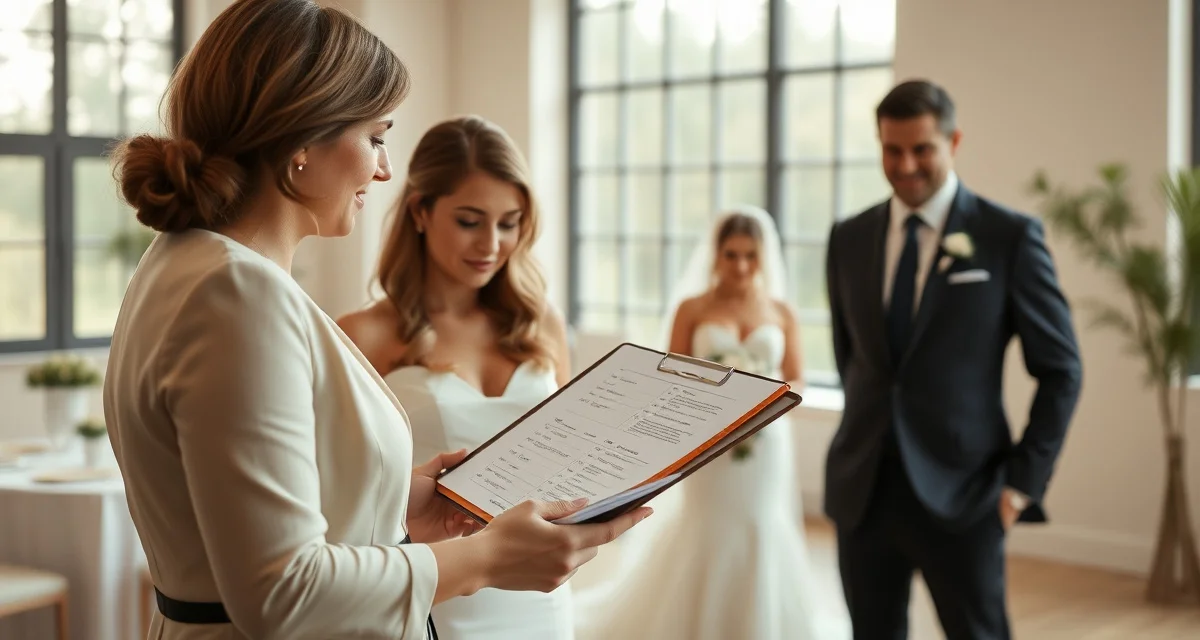
Despite the name, a day-of coordinator doesn't just show up on the wedding day. They typically come on board 4-8 weeks before the wedding to review your vendor contracts, create a detailed timeline, confirm logistics with every vendor, and ensure nothing falls through the cracks. On the day itself, they run the show so you and your family don't have to.
What They Do Before the Wedding
Review all vendor contracts and confirm details. Create a minute-by-minute timeline for the day. Conduct a venue walkthrough to plan setup logistics. Coordinate delivery times with florist, rental company, and cake baker. Confirm ceremony rehearsal details. Serve as the point of contact for vendor questions in the final weeks. Distribute the timeline to all vendors and the wedding party.
What They Do on the Day
Oversee venue setup and ensure everything matches your plan. Manage the timeline and keep the day on schedule. Handle vendor arrivals and direct them to setup locations. Cue the processional, reception entrances, first dance, toasts, and other events. Manage any problems without involving you (a vendor running late, a wardrobe malfunction, a seating mix-up). Pack up personal items and gifts at the end of the night.
Coordinator vs. Planner
A full wedding planner is involved from the beginning - helping you find and book vendors, design the event, manage the budget, and make decisions throughout the entire planning process. A day-of coordinator assumes you've done the planning yourself and steps in to execute it. Full planners cost $3,000-$10,000+. Day-of coordinators typically charge $1,000-$2,500.
When You Definitely Need One
If your venue doesn't provide an on-site coordinator. If you have a large guest count (150+). If you have complex logistics (multiple locations, multiple vendors, custom setups). If you've DIY'd significant elements that need orchestrating. If your wedding party or family members shouldn't be burdened with logistics. If you want to actually enjoy your wedding day without managing it.
Finding the Right Person
Ask for references from recent weddings at your venue or similar venues. Confirm how many weddings they handle per weekend (more than one on the same day is a red flag). Ask about their backup plan if they get sick. Review their timeline examples. Ask how they handle vendor conflicts or emergencies. Make sure their communication style and personality fit yours - you'll be working closely together in the stressful final weeks.