Wedding Seating Chart Strategies That Actually Work
How to create a wedding seating chart without losing your mind, including table arrangement tips, group dynamics, and common mistakes.
Why a Seating Chart Matters
An open seating free-for-all sounds easy, but it usually leads to awkwardness: couples separated because they couldn't find two seats together, elderly relatives stuck far from the action, and empty seats at half-filled tables. A thoughtful seating chart ensures every guest has a comfortable spot and good company. It takes effort, but your guests will have a better time.
Start with Table Groups, Not Seats
Don't try to assign exact chairs on your first pass. Start by grouping guests into clusters: family, college friends, work friends, the groom's high school group, etc. Then assign clusters to tables. Worry about specific seat positions only if your tables are long rectangles or if specific people need to be next to (or far from) each other.
The Head Table Decision
A traditional head table seats the full wedding party in a long row facing the room. The couple sits in the center with bridesmaids and groomsmen on either side. A sweetheart table seats only the couple, giving them a private moment together. A family table seats the couple with parents and siblings. Each has trade-offs - the sweetheart table is popular but can feel isolating if you're social people.
Rules of Thumb
Seat guests near people they know. At minimum, every guest should know at least one other person at their table. Keep couples together. Seat elderly relatives close to the action (and close to restrooms). Give families with young kids tables near exits so they can step out easily. Keep divorced parents at separate tables unless they're genuinely friendly. Seat single friends together - they'll have more fun than being split among couples.
Table Shape and Size
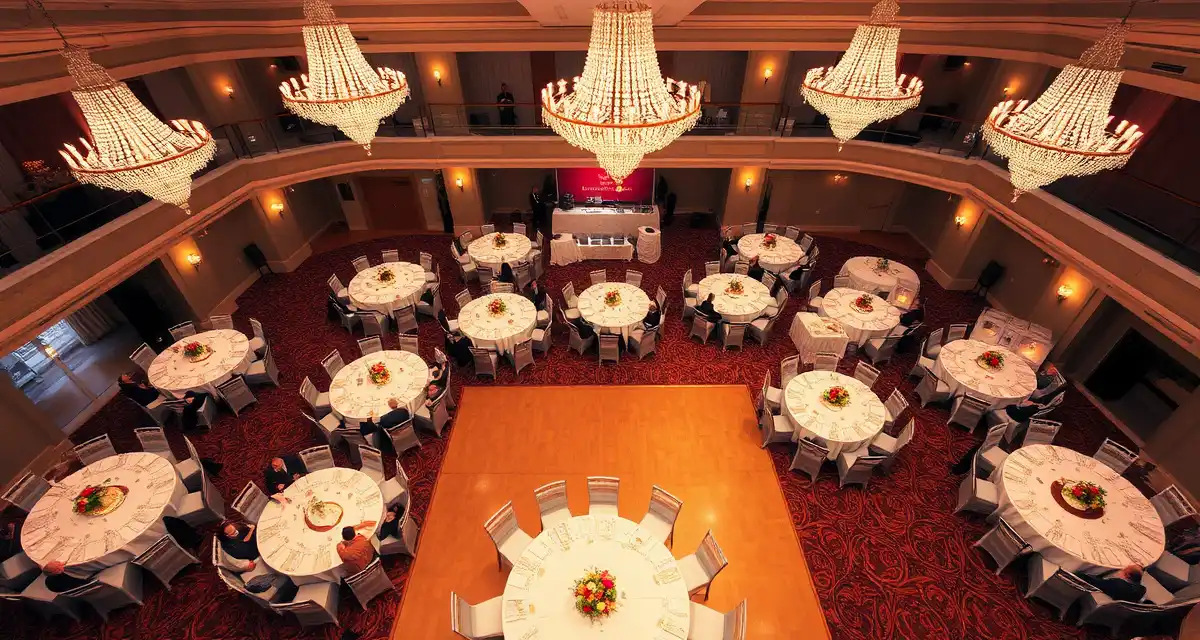
Round tables of 8-10 allow every guest to talk to everyone at the table. Long farm tables create a communal, family-dinner feel but make it hard to talk to anyone more than two seats away. If using long tables, seat people across from their companions rather than next to them, so they can see each other's faces.
Dealing with Difficult Dynamics
If two people or groups should not be near each other, seat them on opposite sides of the room. Use the dance floor as a natural buffer. If you have a guest who's difficult with everyone, seat them with your most easy-going, social friends who can handle anyone. Some planners create a "wildcard table" of friendly extroverts from different friend groups - it often ends up being the liveliest table in the room.
Display Options
Escort cards: individual cards on a table telling each guest their table number. Seating chart board: a large display listing names under table numbers (alphabetical by first or last name). Digital displays: screens showing the seating chart. Mirror or acrylic signs with calligraphy. Whichever you choose, make it easy to read quickly - guests should find their name in under 30 seconds.